
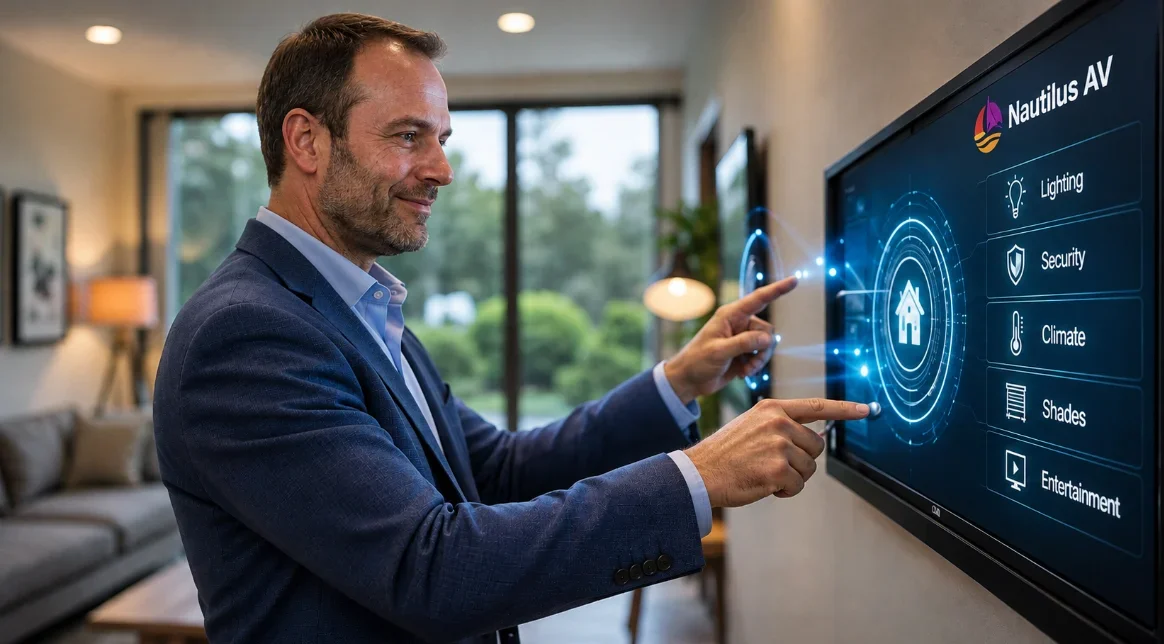
Imagine this: you walk into your waterfront luxury home after a much-anticipated getaway, only to find the familiar glow of automated lighting missing. The touch-activated keypads are unresponsive, security cameras appear offline, and your motorized shades refuse to budge.
The state-of-the-art entertainment system can’t reconnect, as if the entire home has silently stopped responding. It’s not just an inconvenience—it’s a moment that reveals how deeply you rely on invisible, interconnected technology. Behind these sophisticated features could be something as invisible as a firmware glitch, a network vulnerability, or a central processor failure. In luxury homes, this level of breakdown highlights a crucial truth: smart home disaster recovery and professional firmware protection are not just technical “extras”—they’re essential to preserve comfort, security, and the value of your investment.
Encountering the Unexpected: The Reality of Smart Home Disaster Recovery
-
Why smart home disaster recovery is essential for luxury residences: Integrated systems magnify the impact of even minor failures, and the stakes for privacy, comfort, and control are higher than ever. Having a tested backup and recovery plan separates a brief disruption from a long, stressful ordeal.
-
Examples of failures: A single update can render lighting controls unresponsive, a network outage can take down automated security, and even a power surge can cause system-wide havoc. These situations are more common than most imagine, especially in high-tech homes.
-
Understanding the hidden vulnerabilities in integrated home automation: Beneath the sleek control interfaces lies a complex ecosystem where a single weak link—firmware hiccup, hardware fault, or cyber breach—can trigger cascading outages across lighting, shades, HVAC, or entertainment systems.
For those interested in how disaster recovery principles extend beyond residential settings, exploring AV disaster recovery in commercial environments can provide valuable perspective on system resilience and continuity planning.
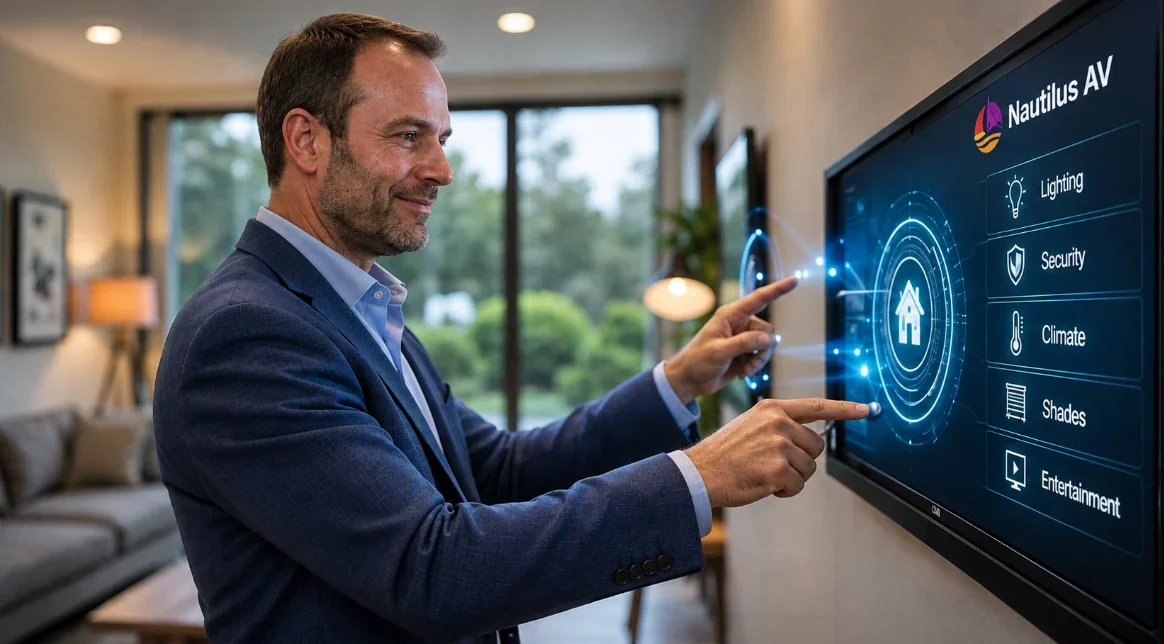
What You’ll Learn: Comprehensive Guide to Smart Home Disaster Recovery
-
How smart home infrastructure and system resilience depend on proactive disaster recovery management
-
The key components of a successful home automation backup solution—from configuration documentation to prioritized system restoration
-
Strategies for protecting your home from firmware hijacking and data loss, supporting the integrity of your home’s automation
-
How to prepare for and recover from smart home system failures—from network outages to hardware faults and firmware corruption
Understanding Smart Home Infrastructure and Its Role in Disaster Recovery
Core Components: From Networks to Home Automation Processors
-
Exploring network equipment: Routers, structured cabling, and wireless access points form the backbone of all smart home communication. Their reliability directly affects every automated function, from managing climate zones to controlling home lighting.
-
The role of automation processors and integrated control systems: These devices are the central brains, connecting lighting, security, HVAC, and entertainment. Any downtime or fault in these processors can impact the entire home.
-
Sub-systems: Lighting, shades, HVAC, security, access control, and entertainment—all are interconnected for seamless automation. If one fails, others may cascade because they rely on network and processor health.
-
Why interconnected systems increase the importance of disaster recovery for IoT devices: In the face of network disruptions, power failures, or firmware corruption, recovery planning ensures each element can be swiftly restored to minimize downtime and maintain security.
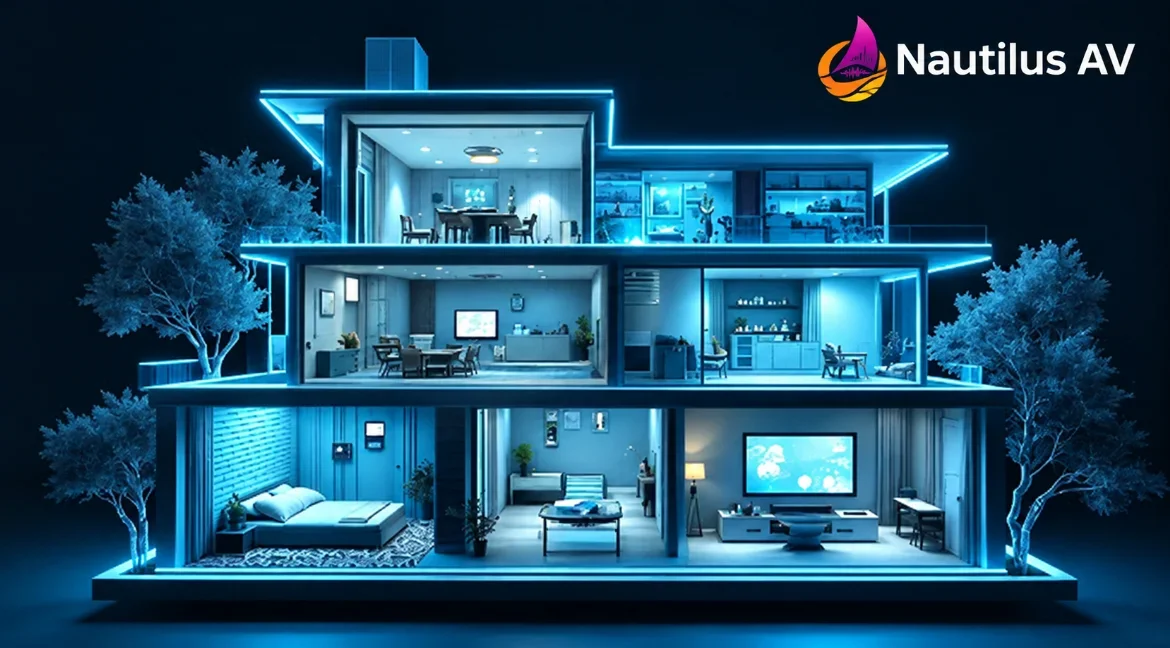
The Interconnected Ecosystem: Smart Home Network Recovery
-
How failures in one layer can disrupt multiple smart home functions: A single breakdown—such as a failed wireless access point—can take multiple systems offline, from entertainment to security, making enabling disaster recovery and rapid response critical in complex homes.
-
The necessity of holistic smart home disaster recovery planning: Effective strategies don’t isolate problems; they view the ecosystem as a whole to enable quick, coordinated recovery across devices and platforms, safeguarding your investment and daily experience.
Spotlight on Firmware Hijacking and Smart Home Cybersecurity Risks
Understanding Firmware in Smart Home Security Systems
-
Defining firmware: Embedded software found in every device—cameras, thermostats, processors—tells each component how to function and interact across your smart home system.
-
How compromised firmware can affect smart home data protection: If firmware is altered, whether by error or malicious activity, devices may appear to function normally while exposing sensitive data or system controls to hidden threats.
Firmware Hijacking: A Hidden Threat
-
How unauthorized firmware changes can bypass security measures: Malicious actors may replace factory firmware with compromised versions that look the same to the user, maintaining a foothold for continued network access or control.
-
The importance of home automation disaster planning to mitigate risks: Reliable disaster recovery procedures, secure firmware management, and regular checks help ensure no device runs untrusted or outdated software—closing a major home vulnerability.
“A compromised device can appear to work normally while exposing your home to hidden vulnerabilities.”
Smart Home Cybersecurity Best Practices
-
Establish a routine for update management and regular firmware reviews to safeguard against vulnerabilities exploited in high-profile disruptions like California wildfires and events that force parts of our country to rely on remote access and free telehealth services for continuity.
-
Secure credentials and segment smart home networks to ensure that security domains—from cameras to HVAC—don’t offer easy “free rides” for cyber threats across your infrastructure.
-
Consistently avoid unsupported or outdated IoT devices, as manufacturer abandonment leaves your home exposed—much like regions impacted by hurricane events or relying on wild-fire relief efforts without up-to-date backup strategies.

Smart Home Disaster Recovery Planning: From Preparation to Response
Common Incidents Impacting Smart Home System Resilience
-
Hardware failure, firmware corruption, and failed updates: These remain leading causes of system downtime and require tested backup and recovery strategies to restore normal function quickly.
-
Power surges, lightning strikes, and emergency power for smart homes: Events driven by external forces (e.g., excess power generation from storms) can disrupt even the most robust setups, making surge protection and emergency protocols critical for homeowners.
-
Configuration loss and network outages: Human error or abrupt shutdowns can cause you to lose or corrupt system settings. Secure, off-device backups and swift restoration processes are your first line of defense in these scenarios, much like supporting California wildfire recovery and helping affected areas get back to the grid.
Key Elements of Home Automation Backup Solutions
-
Regular and secure configuration backups: Back up software, settings, and programming files for every device. Offsite, encrypted storage is best to ensure “backup strategy” effectiveness.
-
Thorough documentation of device and network architecture: System diagrams, hardware lists, and network maps enable any qualified engineer to restore functions efficiently—critical when real disasters, like Hurricane Laura or wildfire relief, strike.
-
Clear disaster recovery procedures with prioritized restoration: Procedures should detail steps to recover mission-critical systems first (security, climate, lighting), followed by less essential features, to avoid cascading failures.
Testing and Documenting the Disaster Preparedness for Smart Homes
-
Why backups must be tested, not just created: Unverified backups provide a false sense of security. Regular recovery trials ensure restoration processes are effective and swift, supporting your lifestyle with minimal disruption when needed.
-
Ensuring rapid smart home network recovery in a crisis: Documentation and step-by-step procedures guarantee a quick return to normalcy. This principle is echoed across other critical infrastructure scenarios, from companies and the gaming industry to grassroots community relief efforts—where time is of the essence.
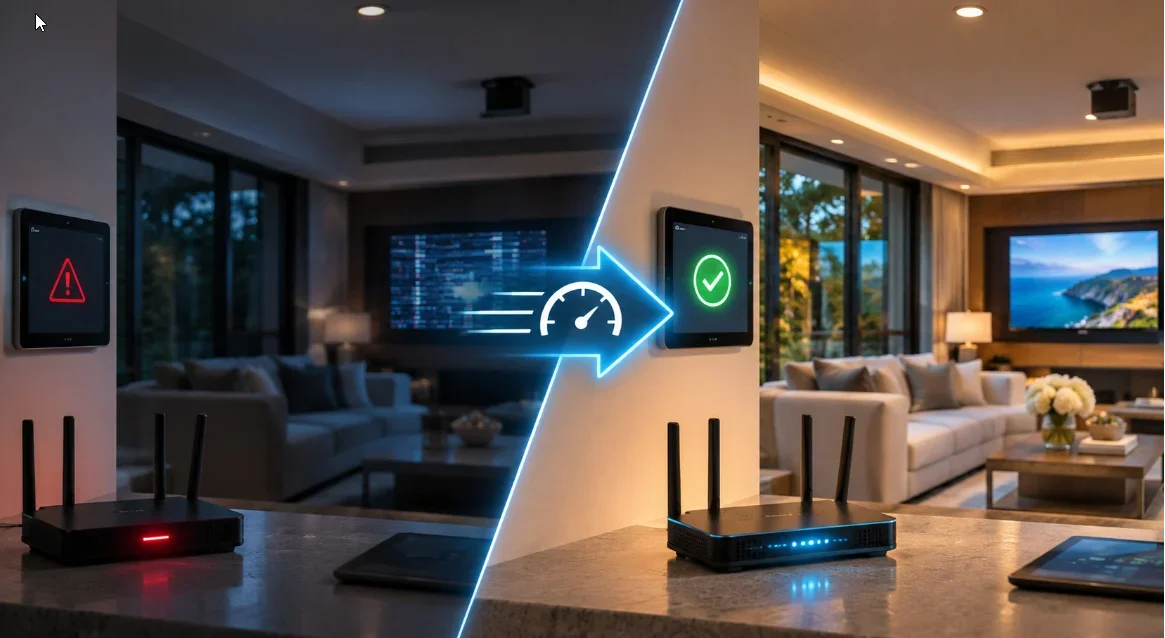
Proactive Firmware Maintenance for Lasting Smart Home Security
The Risks of Unplanned and Outdated Firmware
-
Potential disruptions from incompatible updates: Rushed or automatic updates can introduce bugs or break vital connections between devices. Out-of-sync software can compromise your entire automation chain.
-
Leaving known vulnerabilities unpatched: Failing to update firmware invites exploitation, much like communities supporting California wildfire relief that must address infrastructure flaws before disaster strikes again.
Professional Firmware Update Process for Disaster Recovery
-
Review updates and release notes for compatibility with all smart home subsystems
-
Backup configurations and programming prior to any updates to preserve rollback capability
-
Schedule and thoroughly test system updates at low-impact times
-
Document all changes, update dates, and new version details for future reference and accountability
Expert Approach: Enabling Disaster Recovery in Luxury Smart Homes
How Nautilus AV Ensures Smart Home System Resilience
-
Whole-system health assessments and preventive maintenance: Regular checks and strengthened wildfire-style risk-mitigation protocols catch developing issues before they cause catastrophic outages.
-
Comprehensive cybersecurity reviews tailored to smart homes: Tailored analysis identifies and addresses vulnerabilities, ensuring system reliability and ongoing privacy, benefiting even those using virtual healthcare or remote work arrangements.
-
Managed, professional firmware updates and disaster planning: Nautilus AV oversees every update, tests for compatibility, and records all changes to maintain unbroken control and fast recovery if issues arise.
Integration and Accountability: The Benefit of a Single Partner
-
Coordinating physical, software, and network security: Rather than juggling multiple vendors for different aspects, Nautilus AV provides one source of expertise and responsibility, which is crucial when a disaster impacts multiple systems simultaneously. This full-spectrum approach mirrors relief strategies found in sectors ranging from gaming divisions tapping backup teams to providers offering free telehealth services post-disaster.
-
One source of expertise for smart home disaster recovery: This integration streamlines recovery, reduces confusion, and fosters ongoing peace of mind through coordinated, expert care.
“Installing a luxury smart home is only the beginning—real protection requires ongoing professional management.” — Constantine Kyrou, Principal, Nautilus AV
The Benefits of Smart Home Disaster Recovery: Reliability and Peace of Mind
Long-Term Value of Home Automation Disaster Planning
-
Greater reliability and reduced downtime: With a tested backup strategy and disaster recovery plan, disruptions are brief and rare—much like ensuring the continuity of backup and recovery services for parts of our country hit by unexpected events.
-
Ongoing privacy and secure access: Homeowners trust their personal spaces and data to these systems; professional disaster recovery maintains that confidentiality, even during disruptions.
-
Increased system lifespan and protection of technology investment: Preventive firmware updates, routine backup software validation, and regular maintenance keep your infrastructure running longer and more reliably.
-
Preparedness for the unexpected: Whether it’s a cyber incident, equipment failure, or environmental event (like those impacted by Hurricane Laura), a comprehensive disaster plan means a fast return to normal—from city center penthouses to sprawling waterfront estates.
Table: Comparing Home Automation Backup Solutions
|
Feature |
Professional Disaster Recovery |
DIY Disaster Recovery |
|---|---|---|
|
Backup Methods |
Automated, encrypted backups with offsite storage |
Manual backups, often local and infrequent |
|
Documentation Standards |
Comprehensive diagrams, device lists, and procedures |
Fragmented notes or missing records |
|
Restoration Speed |
Rapid, prioritized restoration process |
Variable, often slow and uncoordinated |
|
Firmware Management |
Managed, verified updates with full rollback |
Unscheduled, untested updates risk incompatibility |
|
Security Controls |
Regular credential audits, segmented networks |
Default passwords, open networks at risk |
|
System Reliability |
Consistent uptime, predictable support |
Reactive fixes, higher risk of extended downtime |
People Also Ask: Key Questions About Smart Home Disaster Recovery
What is smart home disaster recovery?
-
Smart home disaster recovery is a set of strategies and tools, such as backup and recovery software, designed to restore automation, security, and connectivity systems after a failure. It combines configuration backups, network documentation, prioritized procedures, and regular testing to help your home recover quickly from outages or disruptions. Proactive planning is essential in complex homes to support critical functions and prevent downtime like the aftermath of major events such as Hurricane Laura.
What is firmware hijacking?
-
Firmware hijacking involves unauthorized replacement or modification of the embedded software (firmware) running your smart devices. This can bypass security controls and allow ongoing, covert access or interference. Smart home disaster preparedness includes monitoring firmware integrity and applying updates only from trusted sources to protect against these threats.
How do I know if my smart home has been compromised?
-
Warning signs include unusual device behavior, loss of control, changes to settings you didn’t make, or the appearance of unknown users within smart home systems. Unexpected system reboots or frequent network outages can also indicate a problem. A professional assessment—much like seeking help after California wildfires or relying on free virtual support during crises—can determine whether a security breach has occurred and guide remediation.
Should I let my smart home devices update automatically?
-
Automatic updates are risky in luxury smart homes because they can introduce incompatibilities or break integrations—unlike in simple DIY systems. Managed, tested updates coordinated by a professional are safer because they ensure system compatibility and prevent hazards like those seen in rushed disaster-recovery attempts during past wildfire relief efforts.
How often should a luxury smart home receive professional maintenance?
-
The optimal frequency depends on your system’s size and complexity. Quarterly to biannual checkups, including firmware management and recovery process validation, are generally recommended. Choose a maintenance plan that emphasizes documented assessments and preemptive care over reactive fixes, so your home doesn’t rely on luck in a crisis.
Watch: How Smart Home Disaster Recovery Works in a Luxury Residence
Short animated explainer showing a luxury smart home experiencing a cyber incident, swift backup and recovery activation, and the homeowner’s confidence restored.
Frequently Asked Questions About Smart Home Disaster Recovery
-
What is the difference between backup and disaster recovery?
Backup refers to storing copies of critical system configurations and data. Disaster recovery is the comprehensive process of restoring full home operation—including security, networking, and automation—after an event interrupts normal function. Both elements must work together to protect you from small mishaps and large-scale incidents.
-
How is smart home data protection achieved?
Data protection is achieved through layered network security, regular configuration backups, strict credential management, segmented network architecture, and ongoing firmware monitoring—much like the strategies used in backup software for critical operations outside the home.
-
What systems should be prioritized in a disaster recovery plan for IoT devices?
Prioritize systems essential to safety, access, and environmental control—security, locks, cameras, HVAC, and lighting—before addressing entertainment, convenience, and auxiliary features.
-
Can disaster recovery planning improve system reliability?
Yes, a well-documented and tested disaster recovery plan dramatically reduces downtime and improves your smart home’s reliability by anticipating failures and enabling rapid, coordinated restoration.
-
Is professional disaster recovery necessary for small smart homes?
While complexity drives the level of service required, even smaller homes can benefit from expert disaster recovery planning and backup strategies. The goal is always uninterrupted comfort, security, and system performance.
Key Takeaways for Ensuring Smart Home Disaster Recovery Success
-
Smart home disaster recovery preserves your home’s function and value—even during unexpected outages or security events.
-
Firmware hijacking and cyber risks require ongoing vigilance; documented, proactive prevention is your best defense.
-
Professional engineering and backup software, paired with tested recovery processes, boost resilience and reliability.
-
Preventive maintenance and coordinated response distinguish a true luxury smart home experience from basic automation.
Discuss Your Smart Home Disaster Recovery and Protection Needs
-
Secure your investment and enjoy continual peace of mind with a tailored disaster recovery and maintenance plan.
-
Call us at (800) 568-1683 or visithttps://nautilusav.com/
Protect the technology that powers your lifestyle—partner with Nautilus AV for comprehensive disaster recovery, firmware management, and proactive smart home support.
If you’re ready to take your smart home protection to the next level, consider how disaster recovery and system resilience principles apply across environments. From luxury residences to sophisticated commercial spaces, the strategies that safeguard your home can also enhance business continuity and operational uptime. Discover how Nautilus AV’s expertise in commercial AV solutions can inform a holistic approach to technology management, ensuring every environment you value is secure, reliable, and future-ready. Explore the broader landscape of AV integration and see how comprehensive planning today leads to peace of mind tomorrow.